• 11 Nights / 12 days
Enquire

Divine India Odyssey Tour

Overview
The Divine India Odyssey is a thoughtfully curated 12-day spiritual and cultural journey through North India, designed to immerse travellers in the country’s living faiths, sacred cities, and timeless traditions.Beginning in Delhi, the journey flows through Lucknow, Ayodhya, Varanasi, Agra, Mathura, and Vrindavan, combining revered temples, ritual ceremonies, heritage monuments, and everyday spiritual life. Highlights include river aartis, meditation, guided walks with local pandits, sacred boat rides, and UNESCO World Heritage sites such as the Taj Mahal. Carefully selected heritage and premium hotels, private transport, and expert local guidance ensure comfort, depth, and a truly transformative experience.
Read full itinerary
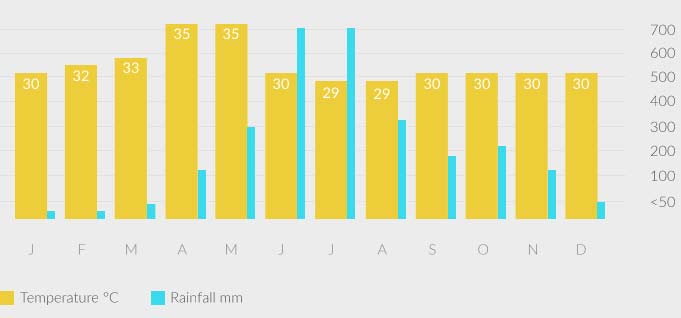
Average temperature and rainfall

29

Temperature

150

Rainfall

Tour Highlights

  • Spiritual ceremonies including Ganga Aarti, Saryu River Aarti, and temple rituals
  • Sacred cities of Ayodhya and Varanasi, deeply connected to Hindu philosophy
  • Sunrise boat rides on the River Ganges
  • Visit to iconic landmarks including the Taj Mahal and Agra Fort
  • Guided spiritual walks and interactions with local pandits and priests
  • Blend of heritage, culture, devotion, and refined accommodation throughout
Tour Route - Where you'll visit
1Delhi
Delhi, the capital city is a bustling metropolis that blends ancient history with modern development. It is divided into two main areas: Old Delhi and New Delhi. Old Delhi is known for its historical landmarks, such as the Red Fort, Jama Masjid, and bustling markets like Chandni Chowk. New Delhi, designed by British architect Edwin Lutyens, is the seat of the Indian government and features prominent landmarks like India Gate, the Rashtrapati Bhavan (President's Residence), and the Parliament House. Delhi is a cultural melting pot with diverse cuisine, vibrant festivals, and a rich heritage that includes museums, temples, and monuments. Its dynamic atmosphere and historical significance make it a key destination for both history buffs and modern travelers.
+Read more -Read less
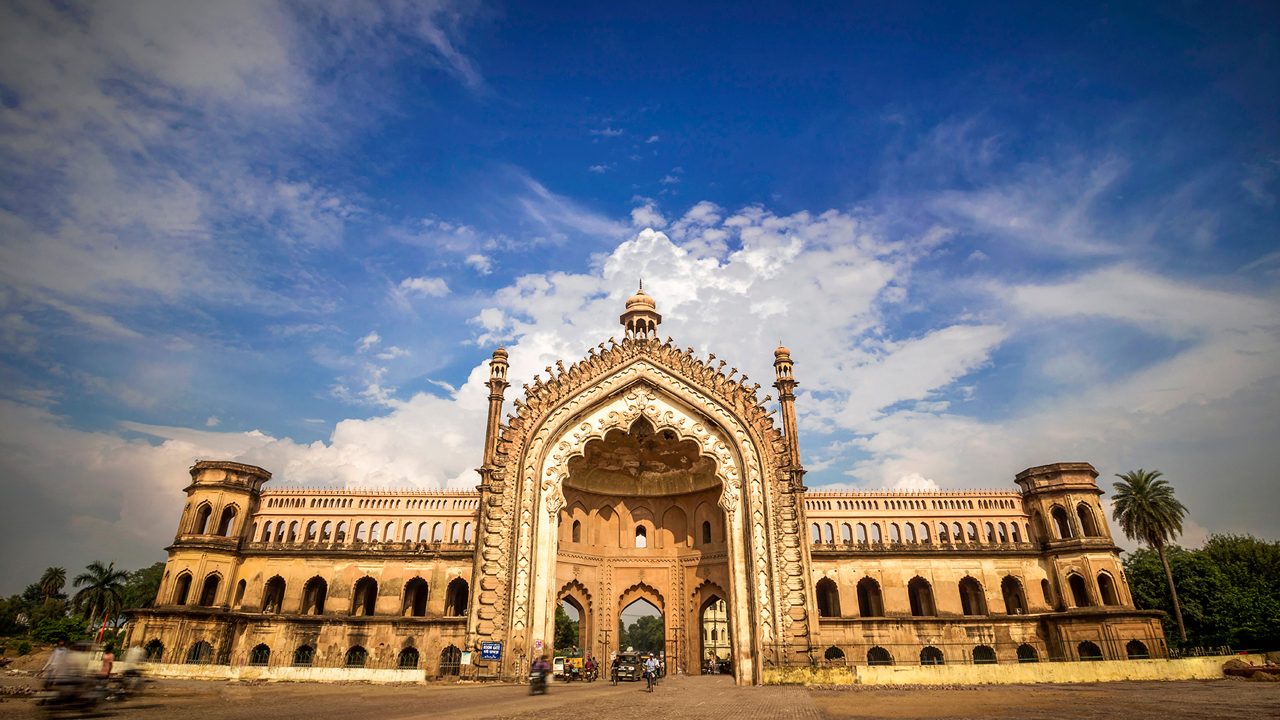
2Lucknow
Lucknow, the capital city of Uttar Pradesh, is celebrated for its profound fusion of Hindu and Islamic traditions, earning it the title “Ganga-Jamuni Tehzeeb.” Historically, the city’s roots trace back to the ancient Hindu kingdom of Kosala and the legend of Lord Rama’s brother Lakshman, who is believed to have founded Lucknow. Remnants of this heritage are reflected in festivals, temples, and long-standing customs across the city. With the rise of the Nawabs of Awadh in the 18th century, Lucknow also blossomed as a hub of Islamic culture. Imposing Islamic monuments, such as the Bara Imambara and Chota Imambara, dot the landscape, and the city is renowned as a center for Shia Islam in India. The result is a unique atmosphere of tolerance, courtesy, and artistic richness—seen in the city’s Urdu poetry, Kathak dance, Mughlai cuisine, and vibrant shared festivities. Lucknow’s soulful identity remains a harmonious blend of Hindu and Muslim influences.
+Read more -Read less
3Ayodhya
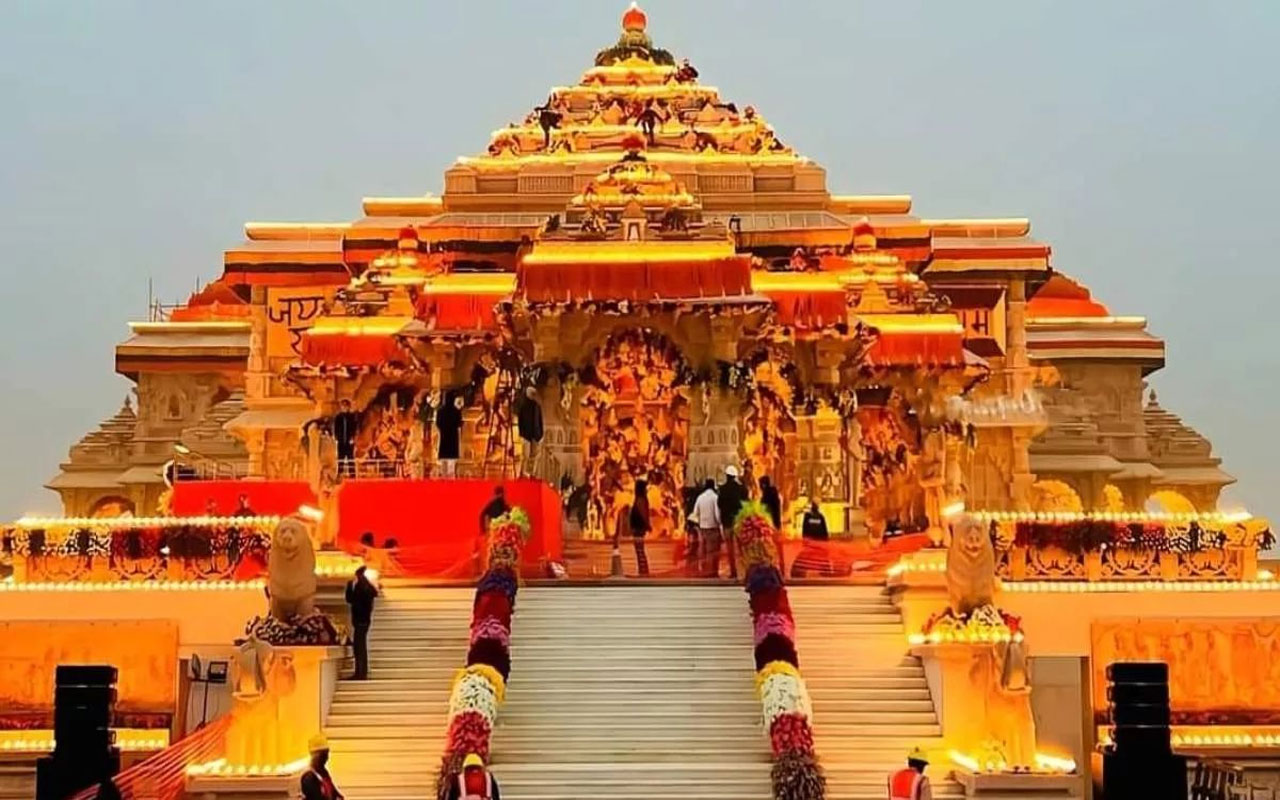
Ayodhya, the ancient and sacred city revered as the birthplace of Lord Rama, one of Hinduism’s most beloved deities. On arrival, immerse yourself in centuries-old devotion with a visit to the transformative Ram Janmabhoomi complex. Marvel at the newly constructed Ram Mandir—a magnificent temple that stands as a beacon of faith, built with intricate pink sandstone, classical Nagara-style architecture, and adorned with hundreds of sculpted pillars and spiritual motifs. The temple’s grandeur and historical significance create a palpable atmosphere of reverence.Next, proceed to Hanuman Garhi, a renowned fortress-like temple atop a hill, dedicated to Lord Hanuman, revered as the guardian of Ayodhya. Experience the robust energy as worshippers climb the stairs for blessings and absorb the vibrant spiritual aura.
+Read more -Read less
4Varanasi
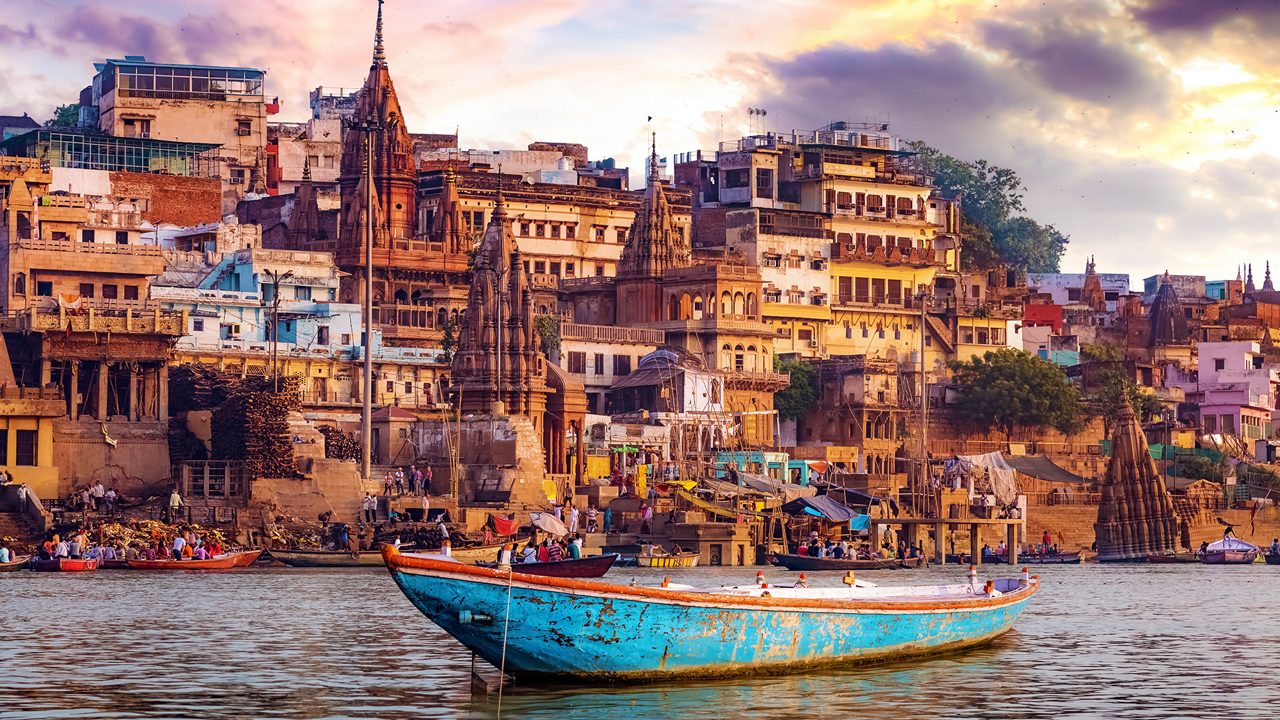
Varanasi, also known as Benares or Kashi, is one of the oldest and most spiritually significant cities in India. Located on the banks of the Ganges River in the state of Uttar Pradesh, Varanasi is a major center of Hindu culture and spirituality.The city is renowned for its ghats, which are steps leading down to the Ganges River. The most famous ghats include Dashashwamedh Ghat, Manikarnika Ghat (the primary cremation ghat), and Assi Ghat. These ghats are central to the city’s spiritual and cultural life, with rituals, ceremonies, and daily life unfolding along the river.Kashi Vishwanath Temple, a prominent Hindu temple dedicated to Lord Shiva, located near the Ganges. It is one of the twelve Jyotirlingas (sacred abodes of Shiva) and a major pilgrimage site for Hindus.
+Read more -Read less
5Agra
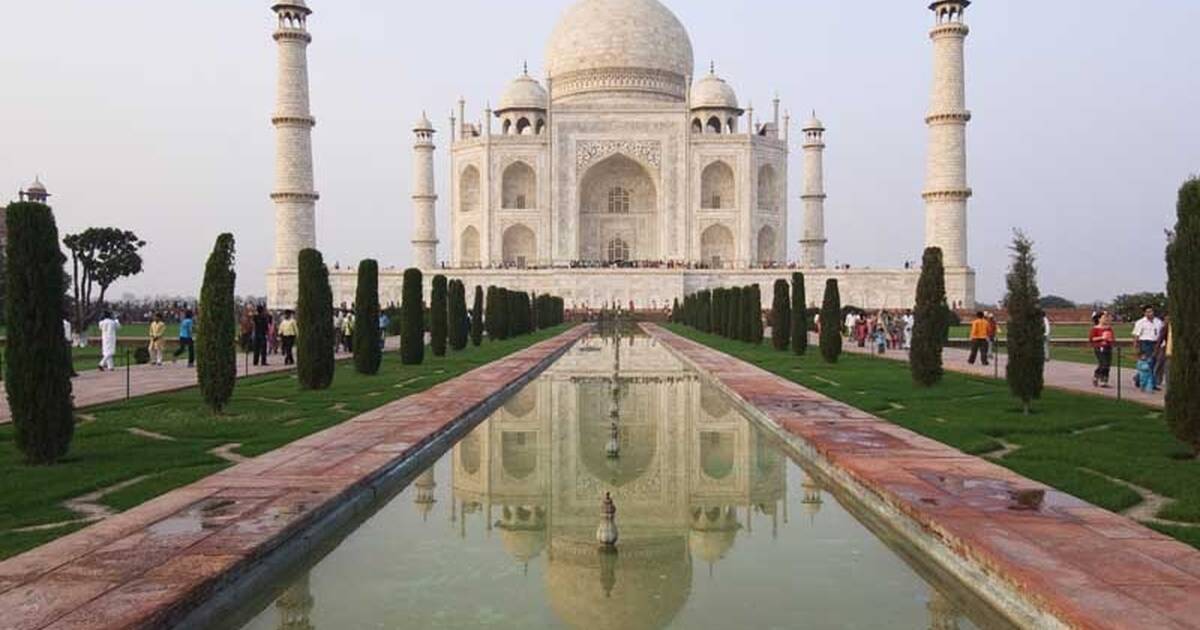
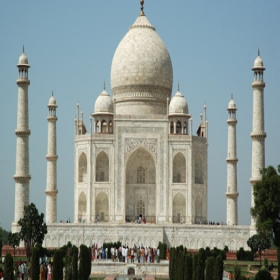
Agra is renowned for its iconic Taj Mahal, a UNESCO World Heritage site and one of the New Seven Wonders of the World. Nestled on the banks of the Yamuna River, Agra boasts a rich Mughal heritage with stunning architecture, including the majestic Agra Fort and the delicate Itimad-ud-Daulah’s Tomb. The city is also known for its bustling markets, vibrant street food, and exquisite marble handicrafts. Agra’s cultural tapestry reflects a blend of Mughal grandeur and local traditions, making it a must-visit destination for history enthusiasts and travelers alike.
+Read more -Read less
6Delhi
Delhi, the capital city is a bustling metropolis that blends ancient history with modern development. It is divided into two main areas: Old Delhi and New Delhi. Old Delhi is known for its historical landmarks, such as the Red Fort, Jama Masjid, and bustling markets like Chandni Chowk. New Delhi, designed by British architect Edwin Lutyens, is the seat of the Indian government and features prominent landmarks like India Gate, the Rashtrapati Bhavan (President's Residence), and the Parliament House. Delhi is a cultural melting pot with diverse cuisine, vibrant festivals, and a rich heritage that includes museums, temples, and monuments. Its dynamic atmosphere and historical significance make it a key destination for both history buffs and modern travelers.
+Read more -Read less

Detailed Itinerary

  • DAY 01 – Delhi
You will be welcomed by a Globe Travel Centre representative at the Delhi airport and transferred to your hotel. Immensely old and gleamingly modern; Delhi is a city with wide open spaces with bungalows and gardens at one end and narrow streets overflowing with shops and houses and people at the other. Delhi is an interesting melting pot of different cultures, and earns its place rightfully as the capital of the country. Relax and unwind at your hotel on your first day.Overnight stay at Crowne Plaza. (Vehicle for transfer)
  • DAY 02 –Delhi
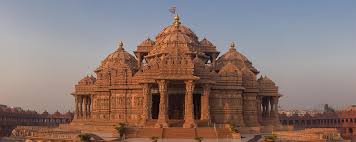
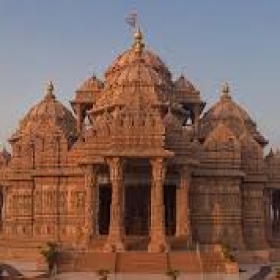
This morning, visit Lotus Temple and Akshardham Temple. The Lotus Temple, a renowned Bahá'í House of Worship in Delhi, captivates visitors with its stunning lotus-shaped architecture and serene ambiance. Set amidst lush gardens, the temple welcomes individuals of all faiths to meditate and reflect. Its petals symbolize the unity of all religions and promote a sense of oneness. You can explore the beautifully landscaped surroundings and partake in the silent contemplation within the prayer hall.Later visit the Akshardham, a majestic Hindu temple complex, showcases India's rich cultural and spiritual heritage. Adorned with intricate carvings, the main monument is a visual marvel. The sprawling complex also features the Yagnapurush Kund, a grand water show depicting an ancient Vedic story. Akshardham offers a blend of architectural brilliance, spiritual insights, and cultural exhibits, making it a must-visit destination for an immersive experience in Indian history and spirituality. Overnight stay at Crown Plaza. (Vehicle for sightseeing)
  • DAY 03 – Delhi – Lucknow
This morning, you will be transferred to the airport to board your flight to Lucknow. Lucknow, the capital city of Uttar Pradesh, is celebrated for its profound fusion of Hindu and Islamic traditions, earning it the title “Ganga-Jamuni Tehzeeb.” Historically, the city’s roots trace back to the ancient Hindu kingdom of Kosala and the legend of Lord Rama’s brother Lakshman, who is believed to have founded Lucknow. Remnants of this heritage are reflected in festivals, temples, and long-standing customs across the city. With the rise of the Nawabs of Awadh in the 18th century, Lucknow also blossomed as a hub of Islamic culture. Imposing Islamic monuments, such as the Bara Imambara and Chota Imambara, dot the landscape, and the city is renowned as a center for Shia Islam in India. The result is a unique atmosphere of tolerance, courtesy, and artistic richness—seen in the city’s Urdu poetry, Kathak dance, Mughlai cuisine, and vibrant shared festivities. Lucknow’s soulful identity remains a harmonious blend of Hindu and Muslim influences. Overnight stay at Lemon Tree Hotel. (Vehicle at disposal)
  • DAY 04 – Lucknow
This morning, begin your day at Mankameshwar Temple, an ancient shrine of Lord Shiva along the banks of the Gomti River. Arrive early to witness the serene morning aarti, with the harmonious echoes of bells and conch shells. The temple’s peaceful ambience sets the tone for heartfelt prayers, as devotees believe wishes made here are fulfilled.Stroll or drive to the nearby Hanuman Setu Temple, famous for its towering Hanuman idol and vibrant spiritual energy. Experience the devotion of worshippers and admire the temple’s lively atmosphere. You may participate in offerings or simply enjoy the devotional chants that fill the air. Next, head to ISKCON Lucknow. This serene complex is set amid tranquil gardens, offering a calming environment for reflection. Join kirtans (devotional singing), listen to enlightening discourses on Bhagavad Gita philosophy, and share a delicious vegetarian prasadam meal with the community.End your day at Chandrika Devi Temple on the banks of the Gomti. One of Lucknow’s oldest temples, it is dedicated to Goddess Durga and offers a peaceful escape from the city bustle. Spend time meditating by the riverside, surrounded by rural landscapes and the gentle chants of pilgrims, bringing your day of devotion and exploration to a tranquil close.
  • DAY 05 – Lucknow- Ayodhya (150 kms, 03 hrs)
This morning, set off for Ayodhya, the ancient and sacred city revered as the birthplace of Lord Rama, one of Hinduism’s most beloved deities. On arrival, immerse yourself in centuries-old devotion with a visit to the transformative Ram Janmabhoomi complex. Marvel at the newly constructed Ram Mandir—a magnificent temple that stands as a beacon of faith, built with intricate pink sandstone, classical Nagara-style architecture, and adorned with hundreds of sculpted pillars and spiritual motifs. The temple’s grandeur and historical significance create a palpable atmosphere of reverence.Next, proceed to Hanuman Garhi, a renowned fortress-like temple atop a hill, dedicated to Lord Hanuman, revered as the guardian of Ayodhya. Experience the robust energy as worshippers climb the stairs for blessings and absorb the vibrant spiritual aura.Continue to Kanak Bhawan, the famed “Golden Palace” said to be gifted to Sita by Queen Kaikeyi. This temple showcases opulent interiors, intricate carvings, and radiant idols of Lord Rama and Sita, inviting you to explore its enchanting halls steeped in mythological legend. As dusk falls, gather at the peaceful banks of the sacred Saryu River for a spiritually uplifting evening Aarti. Watch the priests performing rituals with flaming lamps, their resonant mantras echoing across the river as devotees and pilgrims connect with Ayodhya’s divine spirit in an atmosphere charged with devotion. Overnight stay at K K Hotel. (Vehicle at disposal)
  • DAY 06 – Ayodhya
This morning begin your day with a serene visit to the Saryu Ghats, where the first rays of dawn illuminate the river and the chants of pilgrims fill the air. Witness devotees performing their morning rituals, offering prayers, and taking holy dips in the sacred waters. The tranquil setting makes it an ideal moment to pause for meditation or gentle yoga on the ghats, allowing you to absorb the spiritual rhythm of Ayodhya.After this peaceful start, proceed to the Nageshwarnath Temple, one of the city’s most revered shrines dedicated to Lord Shiva. Legend holds that the temple was founded by Kush, the son of Lord Rama, symbolizing the eternal presence of Shiva’s blessings over Ayodhya. Explore the temple’s intricate architecture and observe the steady flow of local devotees offering prayers. After lunch, embark on a spiritual journey to the Valmiki Ashram, a sacred site associated with Sage Valmiki, the composer of the Ramayana. The ashram exudes an atmosphere of quiet devotion, surrounded by nature and filled with tales from the great epic. Spend some time engaging with local devotees and spiritual storytellers at nearby bhakti centers, where bhajans (devotional songs) and katha (storytelling sessions) keep Ayodhya’s ancient traditions alive. As the day draws to a close, reflect on the city’s deep spiritual heritage, where every corner resonates with the legacy of Lord Rama and timeless devotion. Overnight stay at K K Hotel. (Vehicle at disposal)
  • DAY 07 – Ayodhya – Varanasi (220 kms, 4 ½ hrs)
After breakfast, drive to Varanasi – the spiritual heart of India, where faith and everyday life flow together along the banks of the sacred River Ganges. Upon arrival, check in at your hotel and take some time to relax. In the evening, experience one of the most mesmerizing spiritual ceremonies in the world — the Ganga Aarti at Dashashwamedh Ghat. As dusk falls, the riverfront comes alive with the glow of hundreds of oil lamps, rhythmic chants, and the fragrance of incense filling the air. Priests in traditional attire perform synchronized rituals, offering prayers to Mother Ganga, while the sound of bells and devotional music creates an atmosphere of divine energythat beautifully captures the essence of India’s living spirituality. Overnight stay at Surya Kaiser Palace. (Vehicle at disposal)
  • DAY 08 – Varanasi(visit to Sarnath)
At sunrise, embark on a serene boat ride along the sacred River Ganges. As the first light of dawn touches the ghats, witness priests, pilgrims, and devotees performing their morning rituals — a living tapestry of faith and devotion that embodies the spirit of Varanasi. This tranquil experience offers an unforgettable glimpse into the city’s eternal rhythm. After the boat ride, visit the revered Kashi Vishwanath Temple, one of the twelve Jyotirlingas dedicated to Lord Shiva, symbolizing divine light and liberation. Continue to the Annapurna Temple, devoted to the goddess of nourishment, and the Kaal Bhairav Temple, guardian deity of Varanasi.Later, stroll through the labyrinthine lanes of the old city accompanied by a local pandit (spiritual guide), who unveils the deeper symbolism behind the timeless rituals and customs practiced here for generations. In the afternoon, drive to Sarnath, the sacred site where Lord Buddha delivered his first sermon after attaining enlightenment. Explore the Dhamek Stupa, Ashokan Pillar, and Sarnath Museum, and absorb the serene Buddhist ambiance — a peaceful counterpoint to Varanasi’s vibrant spiritual energy Overnight stay at Surya Kaiser Palace. (Vehicle at disposal)
  • DAY 09 – Varanasi
Today, you will spend the day exploring the sacred temples and spiritual landmarks in and around Varanasi, each reflecting a different facet of the city’s divine heritage. Begin your day with a visit to the vibrant red-hued Durga Kund Temple, dedicated to Goddess Durga, the divine protector of the universe. Adjacent to the temple lies a sacred tank, believed to have been created by the Goddess herself, adding to the site’s mystical aura.Continue to the Tulsi Manas Temple, a serene shrine built at the spot where the saint-poet Tulsidas composed the Ramcharitmanas. The temple’s marble walls are inscribed with verses from the Ramayana, inviting quiet reflection on the timeless ideals of devotion and righteousness. Next, visit the Sankat Mochan Hanuman Temple, established by Tulsidas and cherished as a powerful place of worship where devotees seek freedom from obstacles and challenges.Conclude the day at the Bharat Mata Temple, a rare and symbolic monument that honours India itself as the divine mother. Inside, admire a remarkable marble relief map of the country — a moving tribute to the spirit and unity of the nation. Overnight stay at Surya Kaiser Palace. (Vehicle at disposal)
  • DAY 10 – Lucknow – Agra (by train)
This morning, board a train from Varanasi to Agra — the city that houses the world’s most celebrated monument of love. Enjoy a scenic daytime journey of approximately nine hours aboard a comfortable, air-conditioned coach, passing through the diverse landscapes and rural heartlands of northern India. Sit back, relax, and watch life unfold outside your window — from bustling villages to golden fields and glimpses of everyday India along the railway tracks. Upon arrival in Agra, check in to your hotel and unwind after the journey, preparing for an inspiring day ahead in the city of the Taj Mahal. Overnight stay at Grand Imperial. (Vehicle at disposal)
  • DAY 11 –Agra
At sunrise, visit the magnificent Taj Mahal, its white marble glowing in delicate shades of pink and gold — a vision that truly defies description. As the first light of day touches the monument, experience the serene beauty and timeless romance that make it one of the world’s greatest masterpieces. Continue your spiritual exploration with a visit to the Mankameshwar Temple, one of Agra’s oldest and most revered shrines dedicated to Lord Shiva, believed to grant the heartfelt wishes of devotees. Nearby, visit the Balkeshwar Temple, another sacred sanctuary situated along the banks of the Yamuna River. Later, discover Agra’s regal heritage at the Agra Fort, a UNESCO World Heritage Site that once served as the grand residence of Mughal emperors. Conclude the day with a visit to the graceful Itimad-ud-Daulah, often called the “Baby Taj” — an exquisite marble tomb that inspired the architectural perfection of the Taj Mahal itself. Overnight stay at Grand Imperial. (Vehicle at disposal)
  • DAY 12 – Agra – Mathura – Vrindavan – Delhi - Departure
After breakfast, check out from your hotel in Agra and drive toward Delhi, visiting the sacred twin cities of Mathura and Vrindavan en route — both deeply intertwined with the childhood and legends of Lord Krishna. In Mathura, explore the revered Shri Krishna Janmabhoomi Temple, believed to mark the exact birthplace of Lord Krishna and a focal point of devotion for millions of pilgrims. Continue to Vrindavan, a town alive with divine energy and devotion. Visit the Banke Bihari Temple, one of the most venerated Krishna shrines, and the stunning Prem Mandir, a radiant marble temple depicting scenes from Krishna’s life through intricate carvings and illuminated displays. Immerse yourself in the joyous atmosphere of bhajans, chanting, and rhythmic dancing — a heartfelt celebration of divine love and devotion. Later, drive to Delhi Airport to board your onward or return flight, cherishing the spiritual impressions and cultural richness of your journey through India. (Vehicle for transfer)

When Should I go?

The months of September through to March are considered to be favourable months to travel to India. September has the added advantage of being in the “good weather” bracket but also technically falls in the off season in most places, so prices are cheaper for travel in September. The months of October through to February are pleasant in most parts of the country, though you will find the temperatures varying between chilly in the North and warmer in the southern parts of the country.

India’s weather is varied and different parts of the country may get monsoons at different times. May and June are hot months across the country except for the hill stations in the North.

Average temperatures and rainfall
temperature
Monsoon Months in India

The country gets monsoons in the months of June and July though along the south western coast, there are monsoons in the period between October to December too.

June and July are monsoon months in Kerala, the showers being heavy at first and then easing off gradually. Whilst these are not the best months for tours, interestingly, this happens to the best time for travellers seeking the therapeutic Ayurveda treatment which is said to be most effective in these months.

Best months for travel to India

The months of October through to March are considered to be the most favourable months to travel to India when the weather is sunny and pleasant.

Pricing Information

Tour Image Gallery

Activity Tour- Divine India Odyssey Tour
  • Divine India Odyssey Tour 1
  • Divine India Odyssey Tour 2
  • Divine India Odyssey Tour 3
  • Divine India Odyssey Tour 4
  • Divine India Odyssey Tour 5

Image Gallery

Activity Tour- Biking - 09 Nights 11
Activity Tour- Biking - 09 Nights 21
Activity Tour- Biking - 09 Nights 31
Classic Tour-All Kerala - 13 Nights 8
Classic Tour-North Kerala - 09 Nights 3

Travel Brochures

Travel Brochure

10 Indian Holidays of a Lifetime

We produced the world's largest and most extensive travel brochures for each of our destinations. Browse our destinations and order your copy today!
+Read more -Read less
Travel Brochures

10 Indian Holidays of a Lifetime

We produced the world's largest and most extensive travel brochures for each of our destinations. Browse our destinations and order your copy today!

+Read more -Read less

Enquire

Get in touch online or Call us Freephone: 020 3924 2880

Community Projects

Every time you book a holiday with us, we donate to a tangible cause at the destination - from our profits. Not only that, at the time of booking a holiday, we give you a choice of projects that we support and you can choose one that's closest to your hearts.


  • client01
    Sponsorship.

    Rajeev helped us to provide sponsorship for a child at an orphanage we support for an entire year.

Graphic image

Ask our local experts to tailor-make this tour

Call Freephone 020 3924 2880 to speak with one of our regional experts based at the destination. Our specialists will share their expertise and also understand, in-depth, what you like on your holidays so as to be able to offer a tailor made itinerary that best meet your requirements and budget.

Get in touch with us

  • Speak with our specialist team of local experts

    When you are a 100% satisfied with an itinerary that our expert has tailored for you and are ready to book, we will request a booking deposit of £250.00 per person.

    (If your booking involves International flights, we request flight charges at the time of booking). Your balance becomes payable 8 weeks before departure.

  • Choose the community project you’d like to support

    Globe Travel Centre’s business ethos is centred around benefitting communities- which is why every time you book, we donate to a cause from our profits.

    At the time of booking, we will give you options of various causes we support at the destination. You can let us know which cause you want us to donate to against your booking.

  • Receive your travel documentation

    8 weeks before you travel, you will be sent a detailed and customised jute travel pack in our award winning recycled tyre tube bag which also includes other travel essentials.

  • Relax, you’re in safe hands

    We will be in touch with you on an on-going basis, both before you travel (to check if you have any last minute questions) and also while you are at the destination, where our local offices ensure you have no problems during the holiday.

    What’s more, you’ll receive a complimentary mobile phone for the duration of your visit so you can contact us wherever you are.

You may also like

If you liked this tour, you may also like these
Swipe through our extensive selection of tour itinerary suggestions.

Swipe to see more itinerary suggestions.